
 0
 0
Acupuncture is a traditional treatment practice that involves inserting very thin needles into specific points on the body. Originating in China, it has been used for centuries as part of traditional medicine and is now practised in many countries as a complementary healthcare approach. People often explore acupuncture to manage discomfort, support relaxation, or address certain ongoing health concerns.
For someone considering acupuncture for the first time, the idea of having needles inserted into the skin may seem unfamiliar. However, understanding how the treatment works, what happens during an appointment, and what to expect afterwards can make the experience less intimidating. A first session is generally focused on understanding your concerns and determining whether acupuncture is an appropriate option.
Understanding What Acupuncture Involves
Traditional acupuncture is based on the concept of balancing the body’s energy, commonly described as qi, which is believed to travel through pathways called meridians. Practitioners use specific acupuncture points to influence this balance according to traditional Chinese medicine principles.
From a modern medical perspective, researchers suggest that acupuncture may influence the nervous system and other biological processes involved in pain regulation. Although some studies report benefits for particular conditions, the evidence varies depending on the health concern being investigated.
Acupuncture is commonly explored for certain types of chronic pain, including back pain, neck discomfort, and headaches. It may also be considered alongside other approaches to managing symptoms, rather than replacing necessary medical treatment.
What Happens During Your First Acupuncture Appointment?
Initial Consultation and Health Assessment
Your first appointment usually begins with a conversation about your health history, current symptoms, lifestyle, and treatment goals. The practitioner may ask when your discomfort started, how frequently it occurs, and whether anything makes it better or worse.
You should mention existing medical conditions, medications, allergies, pregnancy, and any previous experiences with acupuncture. This information helps the practitioner assess potential risks and decide whether treatment is suitable.
Preparing for the Treatment
Before the session begins, the practitioner will usually explain the procedure and answer questions about needle placement and possible sensations. You may be asked to lie on a treatment table or sit comfortably, depending on the areas being treated.
Wearing loose, comfortable clothing can make it easier to access the required body areas. It is also sensible to avoid arriving on an empty stomach, as eating a normal meal beforehand can help prevent light-headedness.
Needle Placement and Treatment
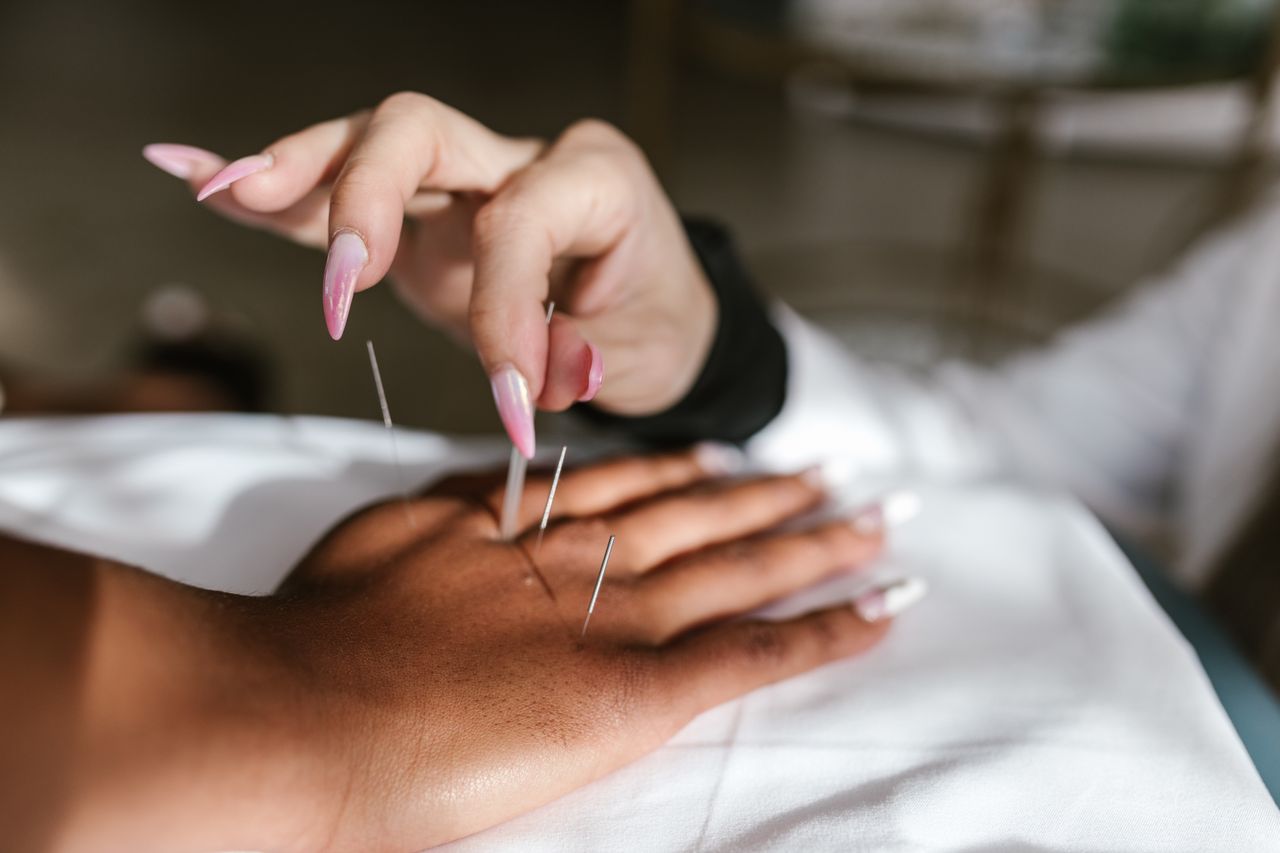
Acupuncture needles are extremely thin compared with many conventional medical needles. The practitioner inserts them carefully into selected points, usually at shallow depths depending on the location and treatment approach.
Some people experience a mild tingling sensation, gentle pressure, warmth, or a brief prick when a needle is inserted. Others notice very little sensation. The needles may remain in place for approximately 15 to 30 minutes, although treatment duration varies.
During this period, patients are generally encouraged to relax and remain comfortable. The practitioner may occasionally adjust the needles depending on the treatment plan.
Does Acupuncture Hurt?
One of the most common concerns among beginners is whether acupuncture is painful. In most cases, the sensation is relatively mild because acupuncture needles are much thinner than standard injection needles.
Some individuals notice temporary tenderness or a slight aching sensation around certain points. However, sharp or intense pain should not be ignored. Inform the practitioner immediately if you experience significant discomfort during treatment.
What to Expect After Your Appointment
After a session, some people feel relaxed or slightly tired, while others notice little immediate difference. Mild soreness, temporary bruising, or slight bleeding around a needle site can occasionally occur.
It is generally sensible to take things comfortably after your first appointment, drink enough water, and pay attention to how your body responds. Avoid assuming that one session will resolve an ongoing problem, as some treatment plans involve several appointments.
The number of sessions required depends on the condition, individual response, and practitioner’s assessment.
Choosing a Qualified Acupuncture Practitioner
Selecting an appropriately trained practitioner is an important part of having a safe experience. Look for someone with recognised professional training and relevant registration or licensing where required.
A qualified practitioner should use sterile, single-use needles, maintain proper hygiene, explain potential side effects, and ask about your medical history. They should also be willing to discuss the available scientific evidence and avoid promising guaranteed results.
Conclusion
Acupuncture is a traditional treatment that uses fine needles placed at specific points on the body. Although it may help some people manage particular types of discomfort, its effectiveness varies depending on the condition and individual circumstances.
Your first appointment usually involves a health assessment, an explanation of the procedure, and a carefully planned treatment session. Knowing what to expect can make the experience more comfortable and help you ask informed questions.


